

Tanzania is famous around the world for its incredible national parks, dramatic landscapes, and unforgettable wildlife. The Serengeti, Ngorongoro Crater, Tarangire, and Lake Manyara attract travelers who want to experience Africa at its most wild and beautiful.
But Tanzania is much more than its national parks.
Beyond the safari routes, travelers can discover a country shaped by diverse communities, ancient traditions, local food, traditional crafts, music, farming, pastoral life, and centuries of cultural history. Meeting local people and visiting communities can add a completely different dimension to a Tanzania holiday.
For travelers who want more than wildlife viewing, combining a safari with Tanzania Cultural Tours is an excellent way to understand the country from another perspective.
Tanzania Beyond the Safari Experience
A traditional safari allows you to see Tanzania’s extraordinary wildlife in its natural environment. You may watch lions resting under an acacia tree, elephants crossing the plains, giraffes moving through the grasslands, or wildebeest gathering across the Serengeti.
However, the landscapes you see during a safari are also home to communities whose lives are closely connected with the surrounding environment.
Visiting a local village, meeting community members, learning about traditional livelihoods, or discovering local crafts allows travelers to see another side of Tanzania.
Instead of only asking what animals live in Tanzania, you can also learn about the people who have lived alongside these landscapes for generations.
Discover the Maasai Communities of Northern Tanzania
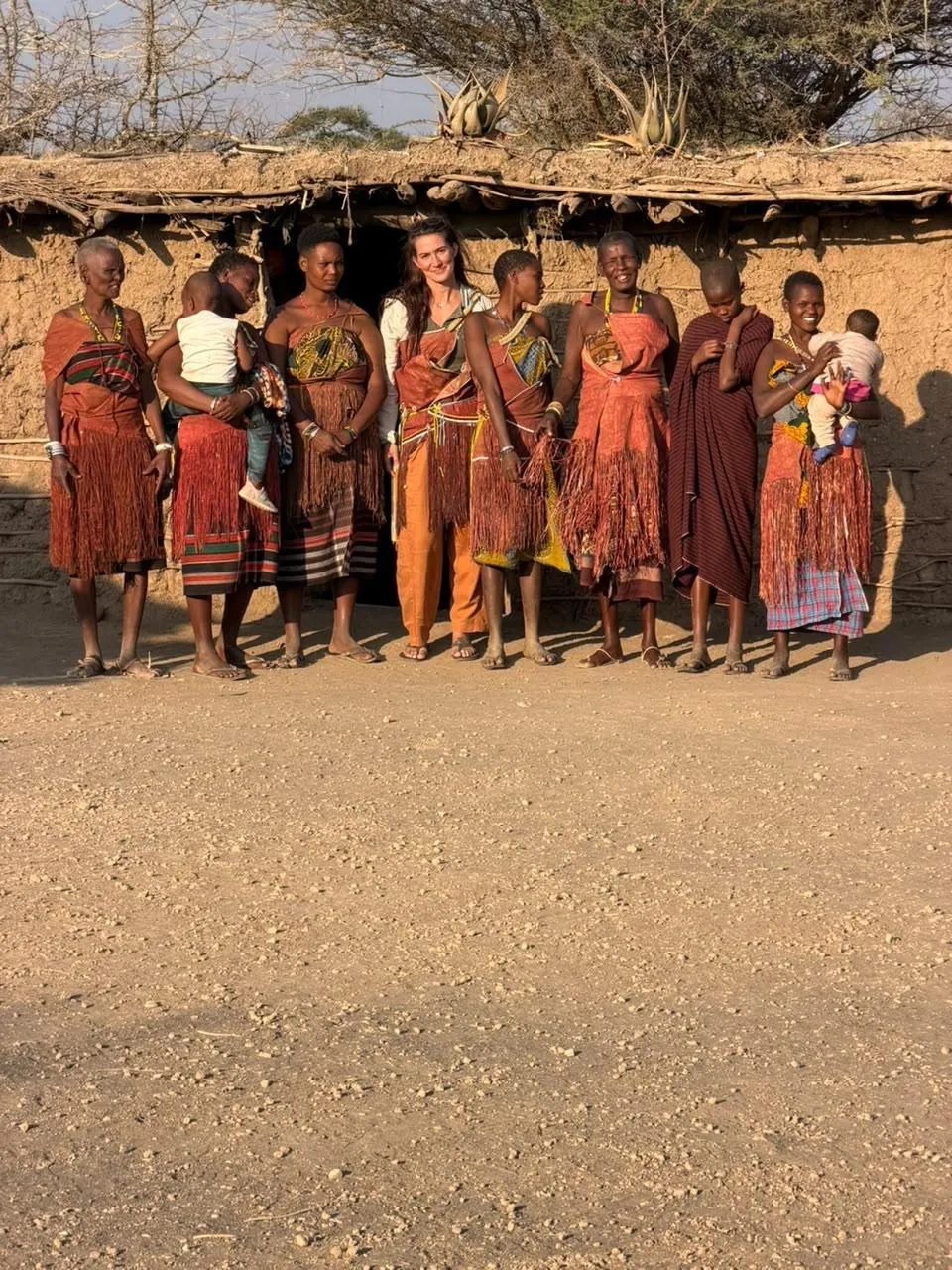
The Maasai are one of the best-known communities in Tanzania, particularly in the northern regions surrounding major safari destinations.
Traditionally, many Maasai communities have practiced pastoralism, with cattle playing an important role in their livelihoods and cultural identity. Their distinctive clothing, beadwork, ceremonies, music, and strong community traditions have become an important part of Tanzania’s cultural heritage.
A Maasai Village Experience in Tanzania provides travelers with an opportunity to learn about these traditions directly from community members.
Rather than simply observing from a distance, visitors may have opportunities to learn about traditional homes, livestock, crafts, music, community life, and the relationship between people and their environment.
It is important to remember that Maasai communities are not all the same, and modern Maasai life continues to change. Many people combine traditional customs with education, modern employment, technology, healthcare, and other aspects of contemporary life.
What Can You Experience in a Maasai Village?
A Maasai village visit can include several different activities depending on the community and itinerary.
Explore a Traditional Boma
A boma is a traditional Maasai settlement where homes and livestock areas are arranged around a shared community space.
During a cultural visit, a local guide or community member may explain how homes are constructed, how livestock are cared for, and how different parts of the settlement are used.
This provides travelers with a practical understanding of traditional Maasai life rather than simply seeing photographs or reading about it.
Learn About Maasai Daily Life
Daily life in Maasai communities has historically been strongly connected to livestock and the surrounding environment.
During a village visit, travelers may learn about cattle keeping, family responsibilities, traditional knowledge, community relationships, and how changing conditions have influenced local lifestyles.
These conversations can make a cultural experience much more meaningful because visitors are able to hear directly from people who live in the community.
Discover Maasai Beadwork
Maasai beadwork is one of the most recognizable forms of traditional art in the region.
Colorful beads are used to create necklaces, bracelets, earrings, decorations, and other handmade items. Designs and colors can have cultural meanings, and techniques are often passed between generations.
Purchasing directly from local artisans can also provide an opportunity to support community members while taking home a handmade reminder of your Tanzania journey.
Experience Traditional Music and Dance
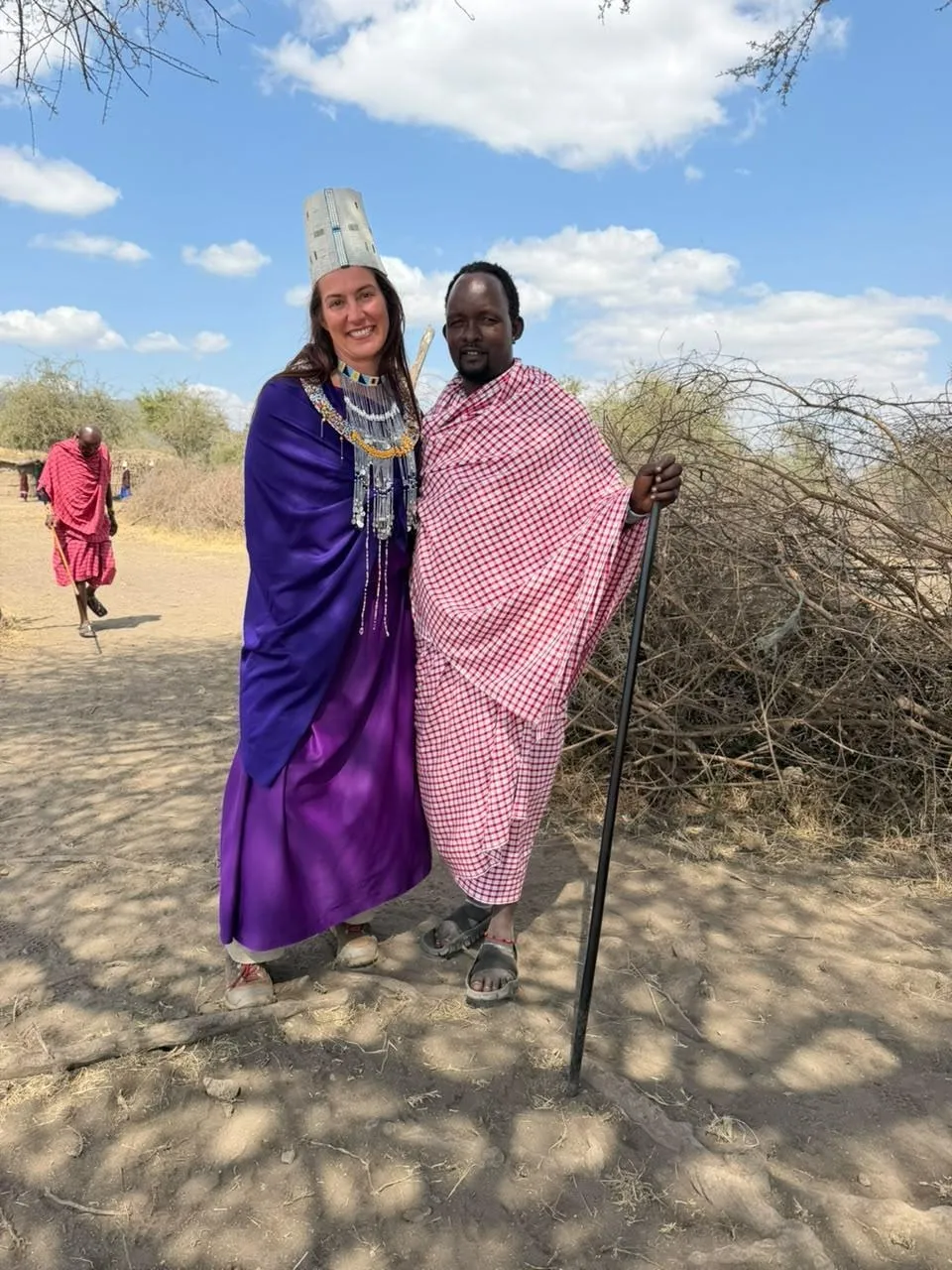
Music and dance are important parts of many cultural traditions in Tanzania.
During some Maasai cultural experiences, visitors may have the opportunity to watch or participate in traditional singing and dancing. These performances can provide insight into community celebrations, social traditions, and cultural expression.
The experience becomes more meaningful when travelers take time to understand the background of the songs, dances, and ceremonies rather than simply treating them as entertainment.
Meet Local Artisans and Discover Traditional Crafts
Tanzania has a rich tradition of handmade crafts, with different communities known for different artistic techniques.
Travelers may encounter handmade jewelry, baskets, textiles, paintings, wood carvings, pottery, and other locally produced products.
Around northern Tanzania, Maasai beadwork is particularly well known, while other regions have their own distinctive craft traditions.
Buying directly from local artisans can be a simple way to contribute to local communities and support traditional skills.
Taste Local Food and Learn About Tanzanian Cuisine
Food is another important part of experiencing Tanzania beyond the national parks.
Traditional Tanzanian cuisine includes foods such as ugali, rice, beans, vegetables, bananas, chapati, grilled meat, cassava, and locally grown fruits.
In rural communities, travelers may have opportunities to learn how certain foods are grown, prepared, or served.
A cultural experience can therefore become an introduction to everyday Tanzanian life through the food people eat and the way meals are shared.
Tanzania Cultural Experience Around the Safari Destinations
One of the advantages of cultural tourism in Tanzania is that cultural experiences can often be incorporated into a wider safari itinerary.
Ngorongoro Conservation Area
The Ngorongoro Conservation Area is particularly interesting because wildlife, dramatic landscapes, archaeology, and Maasai communities exist within the same broader environment.
Travelers can explore the famous Ngorongoro Crater for wildlife and then learn more about Maasai culture through an appropriate community visit.
The area is recognized for opportunities to learn about Maasai culture and visit Maasai villages.
Around Mto wa Mbu
Mto wa Mbu is another interesting place for travelers looking beyond traditional game drives.
Local cultural experiences can introduce visitors to village life, farming, food, crafts, markets, and everyday community activities.
This type of visit can be a great addition to a northern Tanzania safari because it allows travelers to experience a more personal side of the region.
Northern Tanzania Safari Areas
Areas around Serengeti, Ngorongoro, and Tarangire can also be combined with cultural activities depending on the itinerary.
Some Freeingo Safaris itineraries, for example, include optional Maasai village visits where travelers can learn about local culture, traditions, and ways of life.
Tanzania Safari and Cultural Tour: The Best of Both Worlds
You do not have to choose between wildlife and culture.
A Tanzania Safari and Cultural Tour can bring both experiences together in one journey.
You might begin with a game drive in Tarangire, continue toward Ngorongoro, visit a Maasai community, and then travel onward to the Serengeti.
During the safari, you experience Tanzania’s wildlife and landscapes.
During cultural visits, you learn about the people, traditions, food, crafts, and lifestyles connected to those landscapes.
This combination creates a more complete travel experience.
Learn From Local People, Not Just About Them
One of the greatest benefits of cultural tourism is the opportunity to listen.
Instead of simply taking photographs, travelers can ask questions and learn about everyday life.
You might ask a local guide:
- How has village life changed over the years?
- What traditional foods are commonly prepared?
- How are livestock important to the community?
- What crafts are made locally?
- Which traditions are still practiced today?
- How does tourism affect the community?
These conversations can provide insights that cannot be found in a standard safari itinerary.
Respectful Cultural Tourism in Tanzania
Cultural tourism should always be based on respect.
When visiting a Maasai village or another local community, travelers should follow local guidance and avoid assuming that every community follows exactly the same traditions.
Photography is another important consideration. Always ask before photographing people, particularly children, ceremonies, homes, or private activities.
Visitors should also dress appropriately and respect local customs.
When purchasing crafts, buying directly from local artisans where possible can help support the people producing them.
A responsible Tanzania Cultural Experience should benefit both travelers and the communities they visit.
Why Go Beyond Tanzania’s National Parks?
National parks show travelers the incredible natural side of Tanzania.
But cultural experiences show another part of the country.
They allow you to understand how people live, work, celebrate, prepare food, make crafts, raise livestock, and maintain traditions while adapting to modern life.
For many travelers, these interactions become some of the most memorable moments of their journey.
A lion sighting may be unforgettable.
But sitting with a local community, learning a traditional craft, sharing food, or listening to stories can create a completely different kind of memory.
Planning Tanzania Cultural Tours
When planning Tanzania Cultural Tours, think about the type of experience you want.
If you are interested in Maasai traditions, a village visit may be ideal.
If you enjoy food, consider adding a local cooking or food experience.
If you are interested in crafts, look for opportunities to meet local artisans.
If history interests you, include cultural and historical sites in your itinerary.
And if you want to experience several sides of Tanzania, combine cultural activities with Serengeti, Ngorongoro, Tarangire, or other safari destinations.
The best itinerary is one that gives you time to experience both Tanzania’s wilderness and its communities.
Looking for a Trusted Operator for Your Tanzania Cultural Experience?
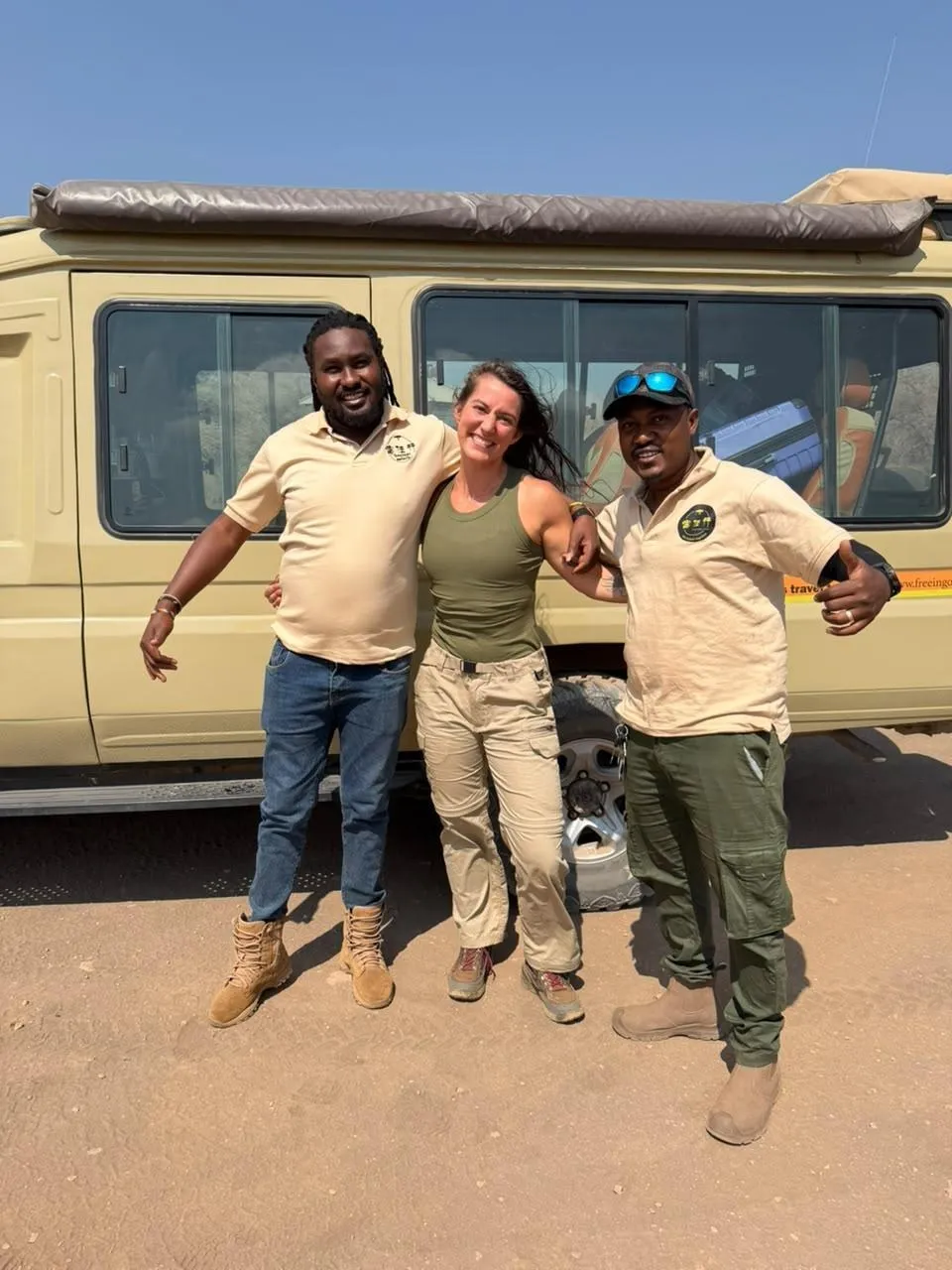
If you are looking for a trusted operator to organize a cultural experience in Tanzania, Freeingo Safaris can help you create an itinerary that combines wildlife, local communities, and cultural experiences.
Freeingo Safaris offers safari tours across Tanzania along with cultural experiences that can include visits to Maasai villages and opportunities to learn about local traditions and ways of life. The company also promotes personalized itineraries designed around travelers’ interests.
A cultural experience can be combined with destinations such as Serengeti and Ngorongoro, allowing travelers to enjoy wildlife viewing while also discovering the people and traditions of Tanzania.
For travelers interested in exploring Tanzania beyond the national parks, you can learn more about the cultural experiences available through Freeingo Safaris Tanzania Culture.
Experience the Real Tanzania
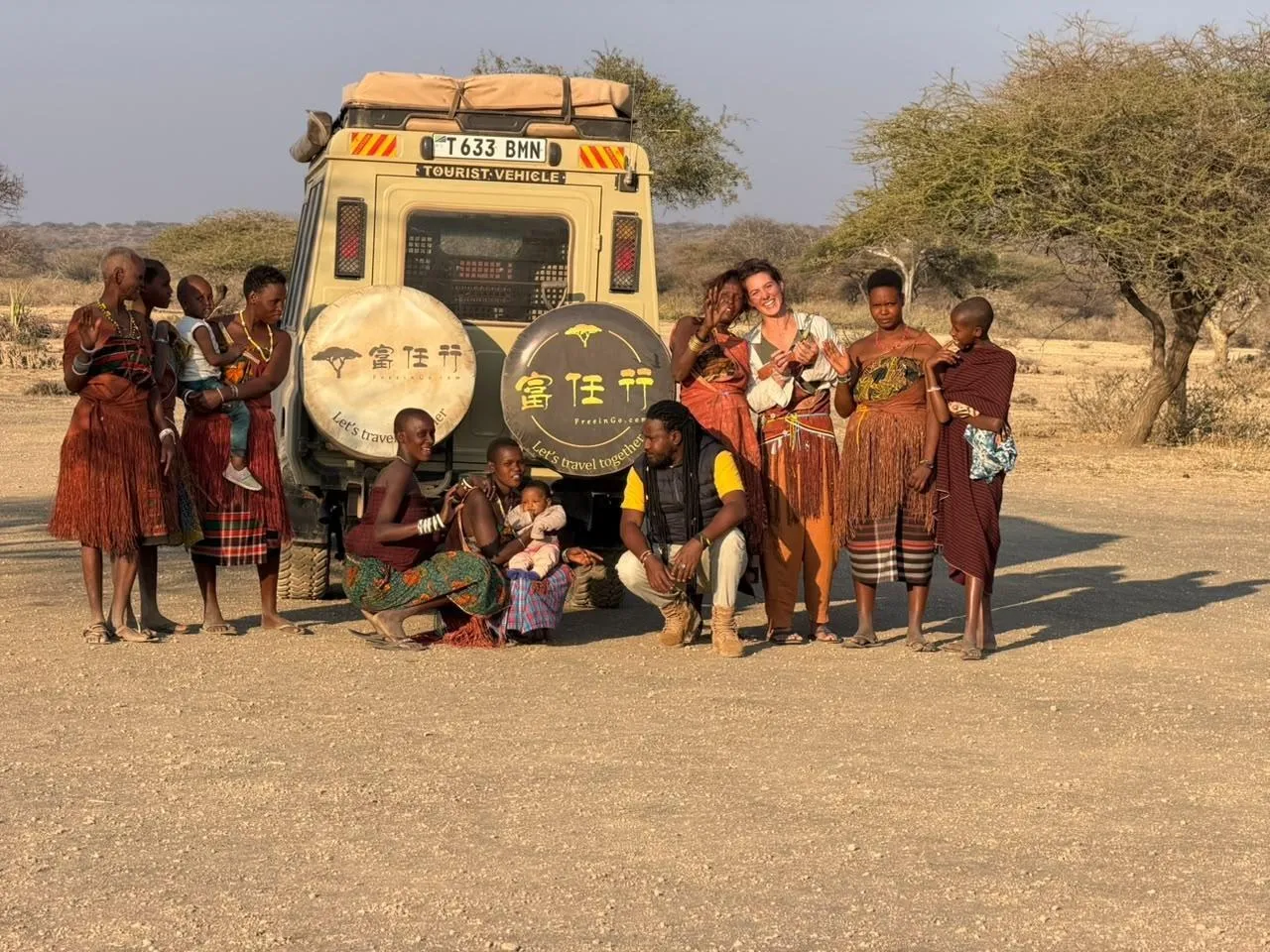
Tanzania’s national parks may be what first attracts travelers to East Africa, but they are only one part of the country’s story.
Beyond the wildlife are communities, traditions, food, music, crafts, history, and everyday life.
From a Maasai Village Experience in Tanzania to local markets, traditional crafts, village visits, and community experiences, there are many ways to discover a different side of the country.
By combining a safari with a meaningful Tanzania Cultural Experience, travelers can return home with more than photographs of wildlife.
They can return with a deeper understanding of Tanzania, its people, and the cultures that make the country unique.
Discover Tanzania beyond the national parks. Meet its people, experience its traditions, and make your safari a journey into the heart of the country.